 TH
TH EN
EN


Two Paths Through Darkness: Fallout 76 and the Appeal of Shared Worlds
 ObsidianEye
In the modern gaming landscape, players are increasingly drawn to worlds that feel persistent, dangerous, and shaped by human choice. Fallout 76 represents one such experiment, offering a post-apocalyptic setting where survival is not only a personal challenge but a shared responsibility. Set in a devastated version of Appalachia, the game asks players to rebuild meaning in a land stripped of order, safety, and certainty.
The heart of the experience lies in exploration. Appalachia is vast, diverse, and deliberately uneven, filled with ruined towns, forgotten bunkers, and wilderness slowly reclaiming what humanity lost. Unlike tightly scripted narratives, the world encourages players to move at their own pace. Stories are uncovered through environmental clues, recordings, and abandoned structures, allowing each journey to feel personal. This open-ended design reinforces the idea that the wasteland does not revolve around a single hero, but around many survivors with different goals.
Survival systems give weight to every decision. Resources are limited, equipment degrades, and preparation often determines success more than raw combat skill. Scavenging is not filler content; it is the backbone of progression. Crafting weapons, modifying armor, and building camps all require careful planning. Over time, players develop routines that mirror real survival instincts, learning which risks are worth taking and which are best avoided.
Multiplayer interaction is where Fallout 76 truly separates itself from earlier entries in the series. Other players are always present in the world, even when not directly interacting. Public events encourage cooperation against powerful enemies, while casual encounters can lead to trading, teamwork, or quiet coexistence. These moments feel organic rather than forced, creating stories that emerge naturally instead of being scripted.
Player-built camps add a strong sense of identity to the wasteland. Each camp reflects its owner’s priorities, whether focused on defense, utility, or creative expression. As these camps appear across the map, the world feels gradually inhabited rather than empty. Civilization does not return all at once; it arrives in fragments, shaped by individual effort.
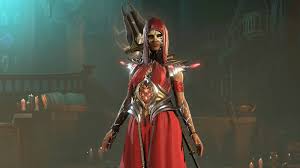
When compared to darker fantasy experiences like Diablo 4 Items, the contrast becomes clear. While Diablo 4 emphasizes relentless combat and a grim, oppressive tone driven by overwhelming evil, Fallout 76 balances danger with moments of quiet reflection. The threats are deadly, but the world leaves space for rebuilding, cooperation, and even hope. This difference highlights how shared-world design can support multiple emotional tones while still challenging players.
Combat in Fallout 76 supports flexibility rather than rigid roles. The perk-based system allows characters to evolve over time, adapting to new challenges or playstyles without restarting. This encourages experimentation and long-term investment, especially as new content expands the game’s systems and narratives.
Ultimately, Fallout 76 is not just about surviving disaster, but about living with its consequences alongside others. Through exploration, cooperation, and gradual rebuilding, the game transforms a ruined landscape into a living world shaped by countless small decisions. In doing so, it offers a different but equally compelling vision of darkness—one where the future, while uncertain, is still open to those willing to endure.

0 ความคิดเห็น
แสดงความคิดเห็น
เข้าสู่ระบบเพื่อแสดงความคิดเห็น *
เข้าสู่ระบบ