 TH
TH EN
EN


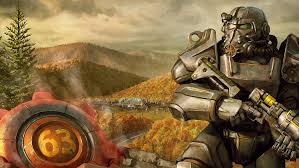
The Whispering Trees: The Environmental Story of Appalachia
 ObsidianEye
In Fallout 76, the most eloquent historians are not people, but places. Before human NPCs returned to West Virginia, the primary narrative voice belonged to the environment itself. This form of storytelling, often called environmental storytelling, is the game’s foundational and most immersive technique. It is the art of conveying plot, mood, and history not through dialogue or text, but through the careful, poignant arrangement of the physical world. In Appalachia, every crumbling house, abandoned campsite, and skeletal pose has a tale to tell, building a profound sense of melancholy and discovery that defines the early exploration experience.
Walking through the forests and towns, players become detectives of the apocalypse. A cluster of skeletons around a tipped-over Nuka-Cola machine speaks of a last, desperate gathering. A child’s bedroom, perfectly preserved with toys and a tiny radiation suit laid out on the bed, tells a silent, heartbreaking story of a parent’s futile hope. The meticulous layout of the Eastern Regional Penitentiary, with its riots frozen in time, or the haunting sequence in a theme park ride detailing a family’s final moments, requires no holotape. The set design *is* the narrative. This method fosters a powerful, personal connection to the lore; the player isn’t being told a story, they are actively uncovering and interpreting it, making the emotional impact more direct and intimate.
This technique masterfully builds the history of the game’s original factions. The makeshift clinics of the Responders, with their orderly triage areas and exhausted final logs scrawled on whiteboards, show their desperate struggle against the Scorched plague. The hidden, paranoid bunkers of the Free States scream of isolationist fear, their entries sealed from the inside. The raider strongholds, like the roller coaster camp at Camden Park, exhibit a chaotic, brutal hierarchy. You understand these groups not through a representative explaining their philosophy, but by walking through the physical evidence of their lives and deaths. The environment becomes a character, its decay a constant reminder of universal loss.
Furthermore, environmental storytelling creates a unique, shared yet personal experience. Two players may visit the same location and take away different nuances from the same arrangement of objects. It encourages slow, observant play, rewarding those who stray from the beaten path to peer into basements or climb to rooftops. The famous “LOOT BAG” left by other players at poignant spots has become a community-powered extension of this—a modern dweller leaving a marker of respect at a scene from the past, adding a new, silent layer to the tale.
Fallout 76 Boosting’s world is a vast, open-air museum of the immediate apocalypse. Its genius lies in trusting the player to read the room, literally. This approach builds a deeper, more atmospheric connection to Appalachia than any exposition ever could. It ensures that even in the game’s now-livelier state, with settlers and raiders repopulating the hills, the land itself remains the oldest and most solemn resident, whispering the stories of those who didn’t make it to anyone willing to listen.

0 ความคิดเห็น
แสดงความคิดเห็น
เข้าสู่ระบบเพื่อแสดงความคิดเห็น *
เข้าสู่ระบบ