 TH
TH EN
EN


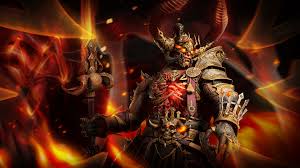
The Evolution of Evil: Villains in Diablo 4
 HollowBloom
The Diablo series has always been defined by its villains. From the original game's titular demon to the Prime Evils of Diablo 2 and the demonic lords of Diablo 3, the franchise has built its identity around memorable antagonists. But Diablo 4 takes this tradition and deepens it, presenting villains who are not merely powerful, but compelling, complex, and at times almost sympathetic. At the center of this evolution stands Lilith, and her return to Sanctuary changes everything we thought we knew about evil.
Lilith is not a simple force of destruction. She is the daughter of Mephisto, yes, but she is also the mother of Sanctuary itself, having created the world alongside the angel Inarius as an act of defiance against both their families. Her love for her children was real, even if her methods were monstrous. In Diablo 4, her return is driven by that same twisted maternal instinct. She sees humanity suffering, caught between angels and demons, and she offers a terrible solution: embrace your power, no matter the cost. Her followers are not mindless cultists; they are lost souls who have found meaning in her dark embrace. This moral ambiguity elevates the narrative beyond simple good versus evil, forcing players to question their own assumptions about salvation and damnation.
But Lilith is not alone. The game populates Sanctuary with a rogues' gallery of memorable antagonists. Elias, her most devoted follower, serves as a recurring threat throughout the campaign, his tragic backstory revealed through optional side content. The echoes of the Prime Evils linger in the world, their influence felt in corrupted regions and haunted dungeons. Even Inarius, the angel who helped create Sanctuary, is presented as a flawed, almost pitiful figure, his millennia of imprisonment having twisted his once-noble purpose into something bitter and obsessive.
This narrative depth is supported by stunning cinematic presentation. Blizzard Entertainment has long been known for its cutscenes, and Diablo 4 represents a new peak. The character models, from Lilith's inhuman beauty to Elias's gaunt fanaticism, are rendered with breathtaking detail. Every expression, every gesture, every line of dialogue carries weight.
Beneath this narrative layer lies a robust gameplay foundation. The open world of Sanctuary is seamlessly connected, a shared space where other players appear on the horizon. World bosses spawn randomly, requiring spontaneous cooperation. The combat feels weighty and impactful, a deliberate departure from the faster pace of recent entries. Each class from the returning Sorceress and Barbarian to the Rogue and Necromancer feels distinct and powerful. The endgame offers a variety of activities for max-level characters, from Nightmare Dungeons to the challenging PvP Fields of Hatred. The itemization encourages deep build experimentation, with legendary aspects that can be extracted and imprinted.
Diablo 4 Gold succeeds because it takes its villains seriously. They are not obstacles to be overcome; they are perspectives to be understood. Their visions for Sanctuary are horrifying, but they are also coherent, born from genuine motivations twisted by circumstances beyond their control. Whether you are delving into a corrupted dungeon as a Druid or cutting through cultists as a Rogue, their presence lingers. In plunging us back into the depths of Hell, Diablo 4 reminds us that evil is not a simple force. It is a choice, made again and again, by beings who once believed they were doing the right thing.

0 ความคิดเห็น
แสดงความคิดเห็น
เข้าสู่ระบบเพื่อแสดงความคิดเห็น *
เข้าสู่ระบบ